
Why Do Porta Potties Smell?
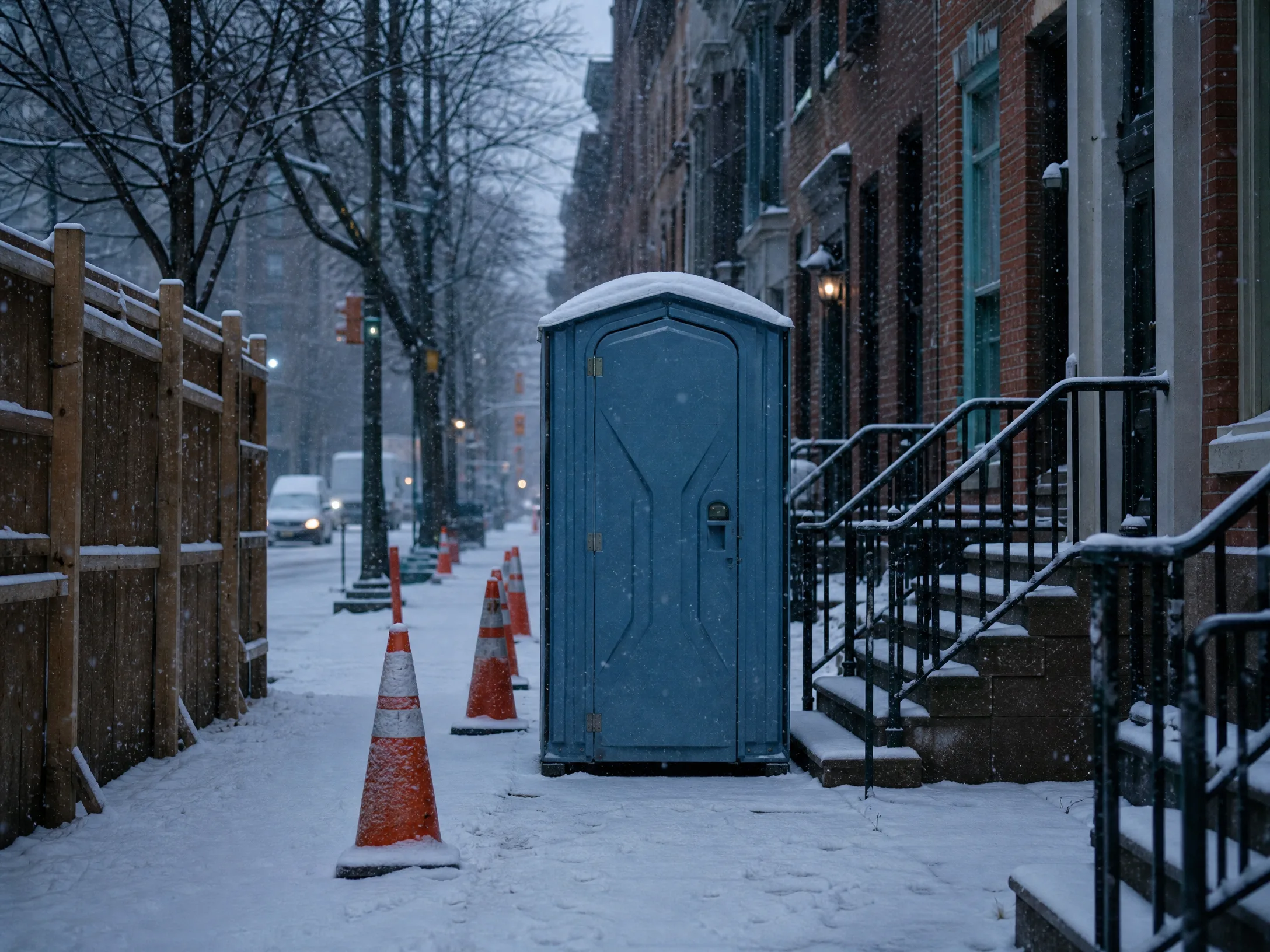
Smell comes from three things: tank level, temperature, and time since the last pump-out. A standard porta potty rental holds waste in a sealed tank with blue deodorizing fluid that breaks down odor-causing compounds. As the tank fills toward that 60 to 70 gallon capacity, the ratio of fluid to waste drops and odor control weakens. Heat speeds this up. A unit on a Bellevue jobsite in July needs the same service math as one at a winter event, but warm weather shortens the comfortable window between pump-outs. ANSI/PSAI Z4.3 sets a baseline service interval of once weekly for up to 10 users over a 40 hour week, and that standard exists because odor and sanitation both track tank fill rate. Skip a service and you will smell it before you see it. This is also why how often are porta potties cleaned matters more than which unit you rent.
Does Unit Type Change the Smell?
Yes, somewhat. A deluxe flushable porta potty uses a flush mechanism that moves waste away from the seating area faster than a standard gravity-drop unit, which cuts down on lingering odor between uses. An ADA accessible porta potty is sized larger per ADA Standards section 304.3.1, which calls for a 60 inch turning circle, and the extra air volume inside can actually help odor dissipate compared to a tighter standard unit. Restroom trailers go further still. A restroom trailer rental uses flush toilets tied to a holding tank, similar to residential plumbing, and options like the 2 stall restroom trailer or 4 stall restroom trailer run climate control that keeps odor from building the way it can in a un-vented standard unit sitting in direct sun near Bellevue Downtown Park on a hot afternoon.
Can Placement Make Smell Worse?
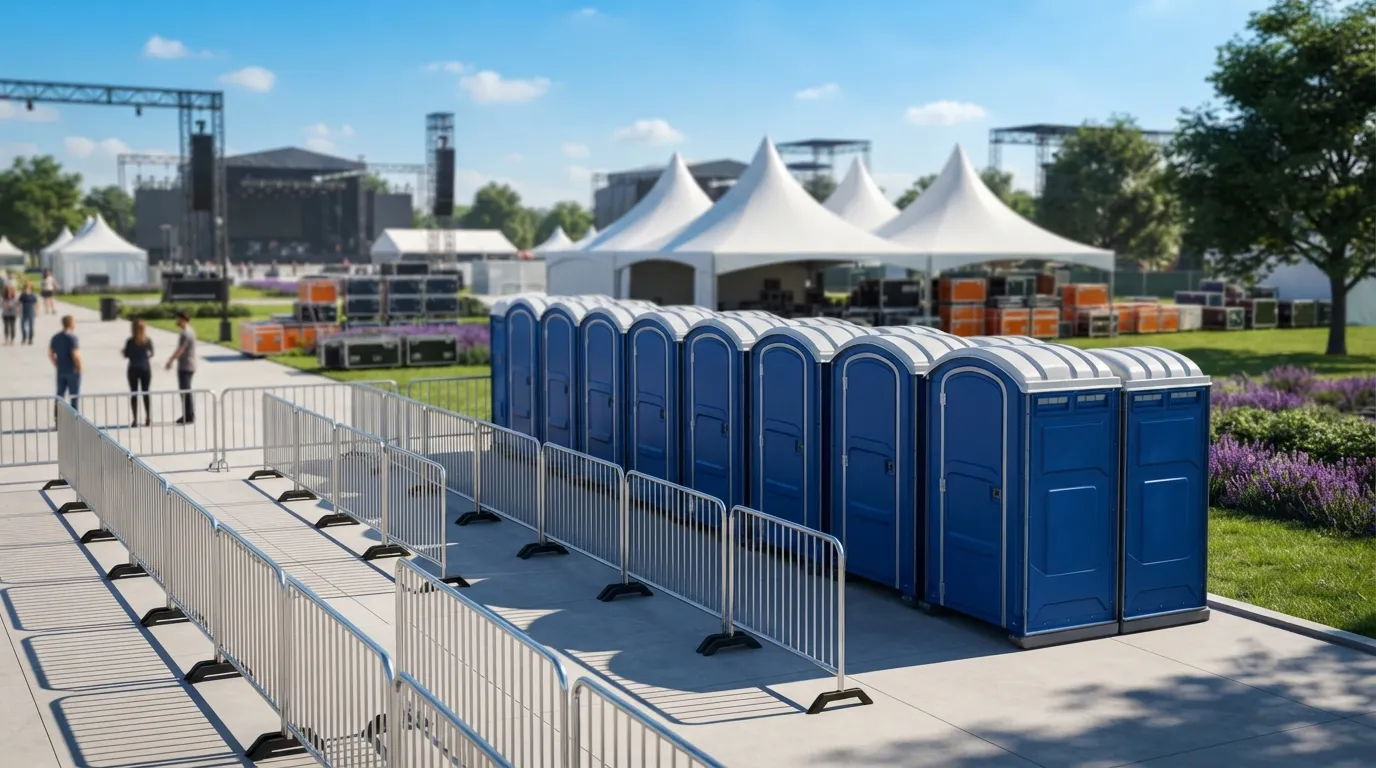
Placement matters more than most renters expect. A unit tucked against a building wall with no airflow traps odor near the door. One set 15 to 20 feet from foot traffic, with the vent stack facing away from seating or work areas, clears smell fast. Our porta potty placement guide covers spacing basics, and if you are staging equipment in Bellevue's public right of way, confirm placement with the city before delivery, since we have not verified specific right-of-way rules for this build. Ground surface matters too: ADA Standards section 302.1 requires stable, firm, slip-resistant surfaces for accessible units, and a firm pad also keeps a unit level, which prevents fluid pooling on one side and creating hot spots for odor. If you're placing multiple units for a crew, our how many porta potties do I need guide pairs with OSHA 1926.51(c), which sets ratios starting at one toilet for 20 workers or fewer on a construction site.
How Do You Prevent Porta Potty Odor?
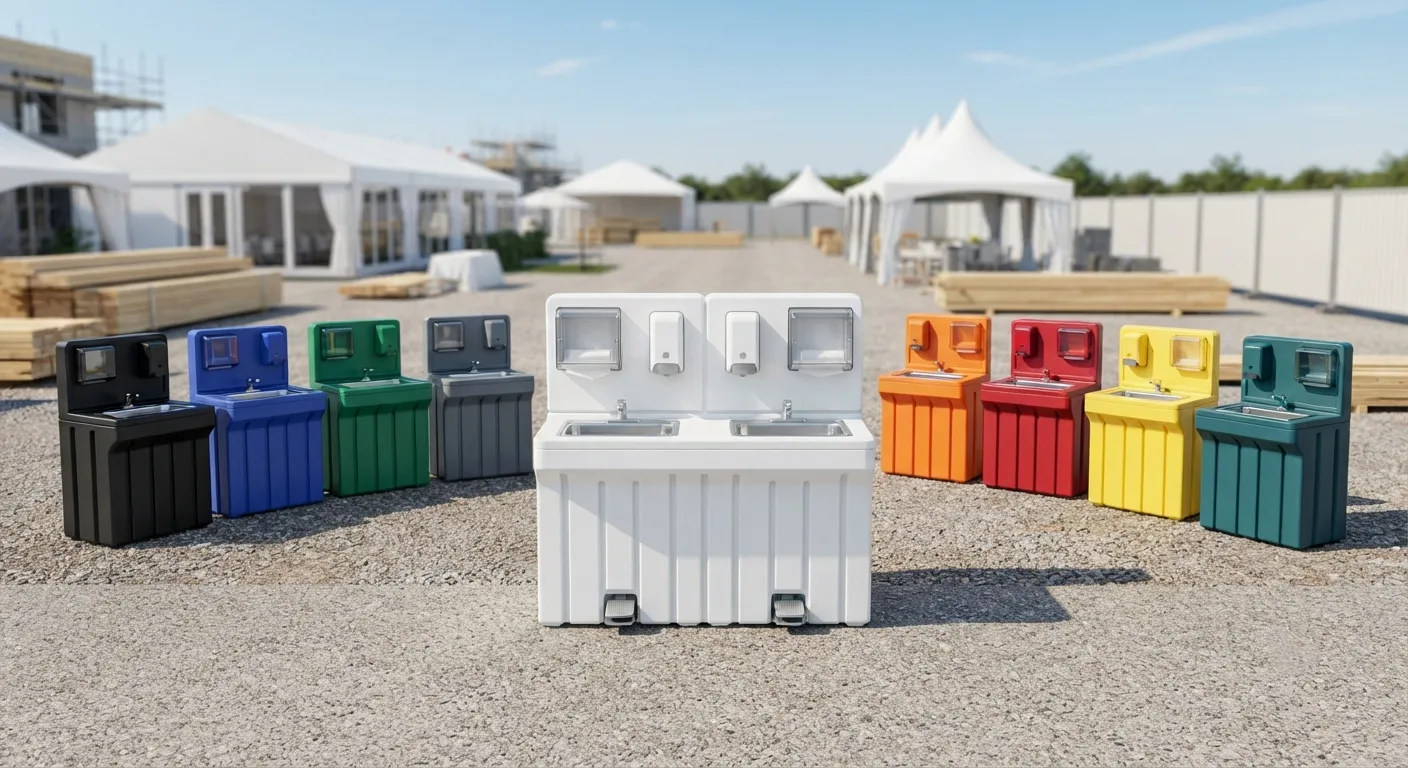
Service frequency is the biggest lever. Weekly service is standard for most Bellevue jobsites and events, but high-traffic events may need more frequent pump-outs to stay ahead of tank fill. Handwashing access also plays a role: 29 CFR 1910.141(d)(2) requires soap and towels or a hand-drying device at washing facilities, and a handwashing station rental placed next to your units keeps users from tracking odor-causing residue back inside. If you're running a paint or coating job on-site, OSHA 1926.51(f)(1) requires washing facilities specifically because of contaminant exposure, and pairing that with a portable sink rental covers both compliance and odor control. For events, a hand sanitizer station rental is a lighter-weight add-on but does not replace soap-and-water washing under that same standard. Renters comparing costs across service intervals can check porta potty rental per day pricing against a monthly porta potty rental to find the schedule that keeps units fresh without overspending.
Unit Comparison for Odor Control
| Unit type | Ventilation | Typical use case | Weekly price range |
|---|---|---|---|
| Standard | Vent stack only | Construction, short events | $130 to $500 |
| Deluxe flushable | Flush plus vent | Weddings, upscale events | $150 to $290 |
| ADA accessible | Larger cabin, vent | Compliance, accessible events | $120 to $240 |
Pricing above reflects weekly rental bands; see porta potty rental cost for a fuller breakdown by duration.
Do porta potties smell if serviced weekly?
A weekly-serviced unit with normal use should smell mainly of deodorizer, not waste. ANSI/PSAI Z4.3 sets that weekly interval as the baseline for up to 10 users over 40 hours. High-traffic sites in Bellevue often need twice-weekly service to stay ahead of odor.
Do deluxe units smell less than standard units?
Generally yes. The flush mechanism in a deluxe flushable porta potty moves waste away from the seat faster than gravity-drop standard units, cutting airborne odor between services. Both still need regular pump-outs to stay fresh.
Can hot weather make porta potties smell worse?
Yes. Heat speeds up the breakdown process in the tank and shortens how long deodorizing fluid stays effective. Bellevue summer events often shift from weekly to more frequent service to manage this.
Does placement affect how much a unit smells?
Yes. Units placed in direct sun with no airflow around the vent stack tend to smell stronger than ones with clearance and shade. Our porta potty placement guide covers spacing that helps here.
Do restroom trailers smell less than standard porta potties?
Usually yes. A restroom trailer rental uses flush toilets and often climate control, which limits odor buildup compared to a standard vent-stack unit sitting in full sun for a full event day.
Next step
Get a delivery date
Tell us the address, the dates and the headcount. We size the order and confirm the route.